

3 Signs You’re Carrying Ancestral Grief (and How to Begin Letting Go)
A quiet grief may live in your body that isn’t even yours. Discover 3 signs of ancestral pain — and how to begin releasing what you were never meant to carry.
🧬 ANCESTRAL ECHOES


Have you ever felt a heaviness inside you — emotional or physical — that doesn’t quite make sense?
A quiet emotional heaviness can live in your body — and surprisingly, it may not be yours in the traditional sense. For some people, inherited emotional patterns or ancestral grief show up because unresolved pain from past generations influences present‑day life. When this happens, your nervous system, emotional responses, and relationships can reflect echoes of deep family history.
1. You Feel a Constant Sadness You Can’t Explain
Do you notice a persistent emotional ache, even during joyful or safe moments?
This isn’t ordinary sadness — it’s a deep internal longing or emptiness with no clear personal origin.
How This Shows Up
A subtle, ongoing feeling of loss or grief
Emotional heaviness that feels “out of place”
Chronic unease without a specific past event
Many people describe it as an inherited emotional residue — a pain that was never named, processed, or spoken about in their family but still lives in their emotional system.
2. You Carry a Deep Fear of Loss (Even When Nothing Is Wrong)
Do you feel anxious about losing loved ones, security, or stability — even when things are going well?
Signs of This Pattern
Feeling hyper‑protective of relationships
Over‑giving to prevent loss or abandonment
Difficulty trusting that good moments will last
This perpetual fear often reflects unresolved ancestral pain about safety and loss. It can create habits like people‑pleasing, guilt‑driven caretaking, and an inner belief that you must “fix” things for others. Such patterns often stem from emotional legacies rather than personal experience.
How to Begin Letting Go of Ancestral Grief
Healing inherited emotional pain isn’t about suppressing feelings — it’s about acknowledging, understanding, and releasing patterns you weren’t meant to carry
1. Acknowledge That the Pain Might Not Be Yours
Start with this simple inner statement:
“This pain may not belong to me.”
Saying this aloud or in a journal helps your nervous system soften and begin separating your own emotional landscape from inherited patterns. It creates internal space for healing.
3. You Feel Responsible for the Emotional Well-Being of Others
Do you take on more emotional labor than feels natural — prioritizing everyone else’s feelings before your own?
What This Might Look Like
Constantly managing emotions for family, friends, or partners
Avoiding conflict to keep peace
Feeling guilty when focusing on yourself
This “caretaker” role can be a sign that you’ve absorbed emotional burdens meant for someone else — like an unprocessed abandonment wound carried across generations.
You may be carrying ancestral grief — unprocessed pain passed down through generations.
What Is Ancestral Grief?
Ancestral grief is basically the emotional pain, fear, and unprocessed struggles that get passed down from one generation to the next. You might notice these feelings show up in how you behave, how your nervous system reacts, or even through family dynamics, even if you never experienced the original trauma yourself. It’s like a form of ancestral trauma or emotional baggage that runs in the family.
2. Let Your Body Speak
Ancestral grief often lives in the body before it shows up in words. Practices that support embodied release can help, such as:
Breathwork or intentional breathing
Gentle movement (like yoga or dance)
Meditation and somatic awareness
Energy healing techniques
These approaches encourage sensations to surface and be released rather than held unconsciously.
3. Explore Your Lineage with Compassion
Understanding your family history can bring clarity to emotional patterns and connections that previously felt inexplicable.
Compassion matters more than blame — the goal is to illuminate what was hidden, not shame anyone.
This might include:
Speaking with elders about family experiences
Exploring ancestry and heritage
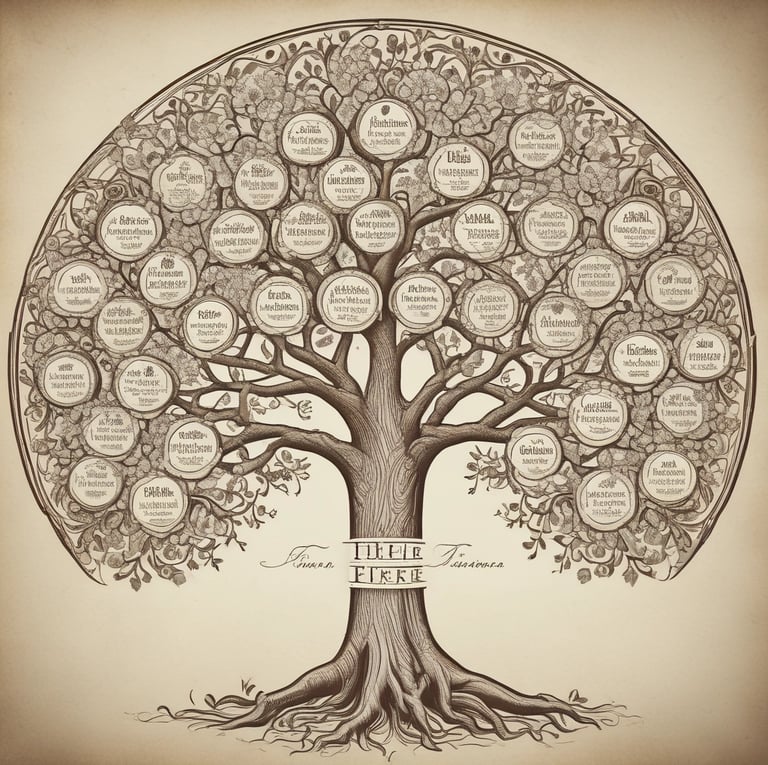
Reflecting on recurring patterns in your family tree
By contextualizing what you feel, you can disentangle inherited grief from your own emotional identity.
4. Seek Supportive Resources
Healing ancestral grief doesn’t have to be a solo journey. Options that help include:
Family constellation work
Support groups
Mindfulness and reflective writing
Such support can help you navigate emotional release safely and sustainably.
You’re Not Alone
If this resonates, know that this experience doesn’t mean you’re weak or unusual — many people unknowingly carry emotional legacies from their ancestors’ unresolved pain. With awareness, compassion, and practical tools, you can begin to release what was never yours to hold and return to your own path with greater peace.
“You do not need to carry what was never yours to hold.”
ancestral grief